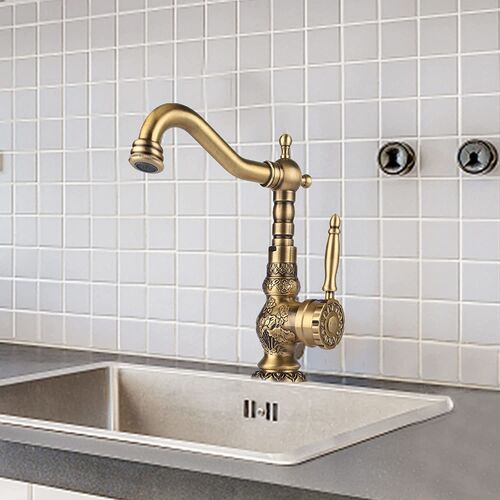
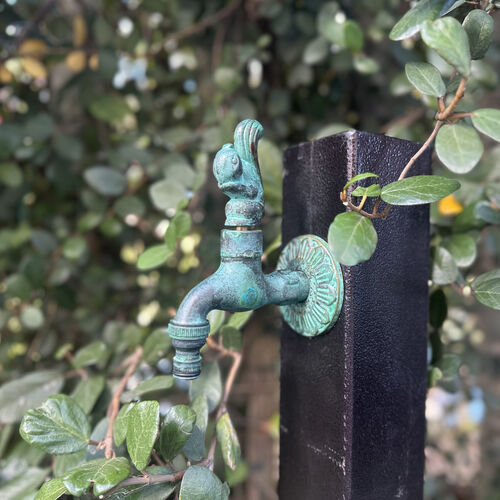
Yuhuan Bangqi Metal Products Co.,Ltd is located in Yuhuan City, Zhejiang Province. A manufacture on brass products since 2012. Range of production like bathroom shower, faucet, water tap, bidet, floor drain, angle valve and plumbing fittings in special demand. As workshop for customers to produce their customized products, We have an effective, creativity and creditable group. Join us and benefit each other.
.gtr-container-d4e7f2 {
font-family: Verdana, Helvetica, "Times New Roman", Arial, sans-serif;
color: #333;
padding: 16px;
line-height: 1.6;
box-sizing: border-box;
max-width: 100%;
overflow-x: hidden;
}
.gtr-container-d4e7f2 .gtr-title-d4e7f2 {
font-size: 18px;
font-weight: bold;
color: #FDB100;
margin-bottom: 20px;
text-align: left;
}
.gtr-container-d4e7f2 .gtr-subtitle-d4e7f2 {
font-size: 16px;
font-weight: bold;
color: #555;
margin-top: 25px;
margin-bottom: 15px;
text-align: left;
}
.gtr-container-d4e7f2 p {
font-size: 14px;
line-height: 1.6;
margin-bottom: 15px;
text-align: left !important;
color: #444;
}
@media (min-width: 768px) {
.gtr-container-d4e7f2 {
padding: 24px 40px;
}
.gtr-container-d4e7f2 .gtr-title-d4e7f2 {
font-size: 20px;
}
.gtr-container-d4e7f2 .gtr-subtitle-d4e7f2 {
font-size: 18px;
}
}
Understanding Urban Drainage: Sewer vs. Ground Pipes
Sewer pipes and ground drainage pipes may seem similar, but they are actually two crucial facilities in the urban drainage system and the core of the rainwater and sewage separation project.
Ground Drainage Pipes
The ground drainage pipe, as we often refer to it, is mainly responsible for collecting surface water, roof rainwater, and melted snow water. These pipes are laid relatively shallowly and have a larger diameter, specifically designed to handle sudden large water volumes during heavy rainstorms. They drain water quickly. The water quality is clean and does not require purification treatment, and it can be directly discharged into rivers and lakes. Their main function is to quickly drain the accumulated water and prevent urban flooding.
Sewer Pipes
On the other hand, sewer pipes are specifically designed to collect domestic kitchen and bathroom wastewater as well as daily production wastewater. The water body contains impurities, oil, and bacteria, making it highly polluted. The pipes are buried deeper and have better sealing properties. They are equipped with a reasonable slope to prevent silt accumulation and blockage. The wastewater is uniformly transported to the sewage treatment plant, where it is purified to meet standards before being discharged or reused.
These two types of pipes operate separately, which can enhance the efficiency of urban drainage and reduce the risk of flooding.
.gtr-container-k9m2p7 {
font-family: Verdana, Helvetica, "Times New Roman", Arial, sans-serif;
color: #333;
padding: 16px;
line-height: 1.6;
max-width: 100%;
box-sizing: border-box;
}
.gtr-container-k9m2p7 p {
font-size: 14px;
margin-bottom: 1em;
text-align: left !important;
line-height: 1.6;
}
@media (min-width: 768px) {
.gtr-container-k9m2p7 {
padding: 24px;
max-width: 800px;
margin: 0 auto;
}
}
Many people's sewers start to smell strangely at night, and there are always small flies and cockroaches crawling out along the pipes. The main reason is that the most dirty and hidden corners of the pipes are overlooked. In fact, there is no need to buy expensive cleaning agents; a pinch of salt can easily solve the problem.
Every night before going to bed, pour a pinch of salt into the sewer. This is an extremely convenient home remedy. The salt water can adhere to the pipe walls for a long time. The high salt environment can inhibit the growth of bacteria and decompose residual kitchen oil and dirt, eliminating the odor at the root. At the same time, it can dehydrate and kill the eggs and larvae of insects in the pipes, preventing the breeding of flies and cockroaches.
Compared to other chemical agents, salt does not damage PVC and metal pipes and is safe. Sprinkle a pinch of salt every day, slowly clean the accumulated dirt on the pipe walls, and solve the problems of slow drainage, returning bad smells, and insect infestation.
.gtr-container-plumb789 {
font-family: Verdana, Helvetica, "Times New Roman", Arial, sans-serif;
color: #333;
padding: 16px;
max-width: 100%;
box-sizing: border-box;
}
.gtr-container-plumb789 p {
font-size: 14px;
line-height: 1.6;
margin-bottom: 1em;
text-align: left !important;
}
.gtr-container-plumb789 .gtr-heading-style {
font-size: 18px;
font-weight: bold;
color: #FDB100;
margin-top: 1.5em;
margin-bottom: 0.8em;
}
@media (min-width: 768px) {
.gtr-container-plumb789 {
padding: 24px;
max-width: 800px;
margin-left: auto;
margin-right: auto;
}
}
Short answer: yes, most plumbing codes allow it. But the real question is "will it work six months later without problems." That comes down to three things.
Pipe diameter.
Both fixtures send water down the same line, so the pipe needs to handle the combined flow. A 40mm pipe might work for a single basin. Add a shower and you're looking at 50mm minimum. Undersize it and water backs up before it clears the trap.
Venting.
Every drain needs air behind it. When a sink and shower share a waste line, a poorly placed vent lets the shower trap get sucked dry every time you pull the sink plug. Then you get that rotten-egg smell coming up through the shower drain — which is the problem people actually notice. Keep the shared vent within code distance of both traps and you avoid this entirely.
Trap placement.
Each fixture needs its own trap, as close to the drain point as possible. If the pipe run from the shower to the shared waste line is long, a dedicated trap at the shower itself is non-negotiable. Skimp here and sewer gas finds the easiest path out.
Where this connects to floor drains.
A shower drain isn't just a hole. Its trap design, flow rate, and seal type all determine how it handles a shared-pipe setup. A mechanical-seal drain deals with pressure changes from the sink discharge better than a basic water-seal trap. If your shower and basin share a waste line, the drain choice matters more than the pipe routing.
The code says yes, mostly. But code is the minimum. Get the pipe size right, keep the vent close, trap each fixture separately, and pick a drain that handles the shared flow. Do that and you'll never think about it again.
.gtr-container-x7y2z9 {
font-family: Verdana, Helvetica, "Times New Roman", Arial, sans-serif;
color: #333;
line-height: 1.6;
padding: 16px;
box-sizing: border-box;
}
.gtr-container-x7y2z9 p {
font-size: 14px;
margin-bottom: 16px;
text-align: left;
word-break: normal;
overflow-wrap: normal;
}
.gtr-container-x7y2z9 p strong {
font-size: 16px;
font-weight: bold;
color: #FDB100;
display: block;
margin-bottom: 8px;
}
@media (min-width: 768px) {
.gtr-container-x7y2z9 {
padding: 24px;
max-width: 800px;
margin: 0 auto;
}
.gtr-container-x7y2z9 p strong {
font-size: 18px;
}
}
Most people only think about their floor drain when it stops working. And when it does, the problem is almost always one of four things.
Water just sits there. Nine times out of ten it's not the drain — it's the slope around it. A center drain expects water from four directions, so that's four slope angles to get right. A linear drain against the wall only needs one. That's the whole reason they've become standard in wet rooms. One angle, one chance to mess up instead of four.
Then there's the smell. That's your trap failing. Water-seal traps keep a bit of water in the bend to block sewer gas. Works fine until the drain sits unused for weeks and the water evaporates — guest bathroom, holiday home, same problem. Mechanical traps use a spring-loaded valve. They don't care how long it's been since someone showered.
Hair and soap gunk. If you're fishing it out through the slots, the grate isn't removable. The better ones lift straight out. Worth knowing: linear drains spread debris along a longer run, so even a good grate means more surface to clean than a compact floor drain.
And when all of that works but the drain still bothers you every time you look at it — it's the finish. A chrome circle in a matte black bathroom. A round grate breaking up a clean tile grid. Square drains line up with the tiles. Tile-insert drains disappear. Brushed brass, gunmetal, matte black — those aren't extras. The drain is visible hardware in the room. Pick it like one.
Get those four right and you stop noticing your floor drain entirely. Which is the point.
As someone who uses a kitchen faucet every single day, I constantly find myself standing in front of the sink washing dishes.I enjoy cooking, but I don’t really enjoy washing dishes.After a long day of work, standing in front of a pile of plates and bowls often creates a feeling of wanting to “finish this as quickly as possible.”Later, after entering the kitchen faucet industry, I started paying closer attention to these products that people repeatedly touch and use every day.And I began to wonder:Is a kitchen faucet really just a functional tool?Besides providing water and helping us clean things, can it also affect a person’s emotions during use?If a product had a more comfortable proportion, warmer materials, and a more artistic design language, could it make people feel a little happier while using it?I think the answer is yes.Later, I gradually realized that most kitchen faucets on the market seem to care only about functionality.As long as they provide water, can be pulled out, don’t leak, and are sold at a reasonable price, that already seems “good enough.”So more and more products begin chasing parameters, functions, visual stimulation, and sales performance.But very few people truly think about the person standing in front of the sink every day.How do they actually feel?Because most people who decide product direction are not the people who use these products long term.They may be factories, buyers, operators, or sellers.What they care about is:What sells more easily.What attracts more clicks.What fits the market faster.As a result, products slowly become commodities designed for quick selling rather than objects that quietly accompany daily life.But for the people who truly use a kitchen every day, a product is repeatedly touched, repeatedly seen, and repeatedly experienced.Over time, it begins to affect emotions.Cold and mechanical designs can make people want to finish washing dishes as quickly as possible.But products that feel warm, comfortable, and visually calming may make an ordinary evening feel a little less exhausting.Perhaps a kitchen faucet can never truly change the task of washing dishes itself.But I have started to believe that a warmer, more thoughtful, and more aesthetically comforting product can at least make those few minutes spent in the kitchen after a long day feel a little better.Of course, this is only my personal feeling as a real user.Maybe different people, different cultures, and different lifestyles all have completely different understandings of kitchens, products, and emotional experiences in daily life.So I would genuinely like to ask:Would the design of a product affect your mood while using it?And what do you think a truly good kitchen product should feel like in the future?